I appreciate games that get the power of visuals https://luckyjetcasino.uk/. A great game goes beyond aesthetics; it builds a world that grabs you the instant it loads. That’s the feeling I undergo with Lucky Jet. The game’s art is a skillful mix of lively motion and eye-catching style, producing something that’s both exciting to play and lovely to look at. This steady improvement in design is a major part of its attraction, building a setting that’s as enjoyable to see as it is to engage with.
The Starting Point: From Practical to Stunning
Any visual adventure starts somewhere, and Lucky Jet’s initial stages revolve around clever, sensible options. The earliest iteration of the game put clarity first. The creators understood that a game about a character rocketing upward with live multipliers required a perfectly clear display. They selected neat lines, a particular color palette to make the pilot pop, and bold, clear digits. This arrangement guaranteed the main action was always clear, proving that good looks begin with flawless clarity.
Focusing on the Player’s Eye
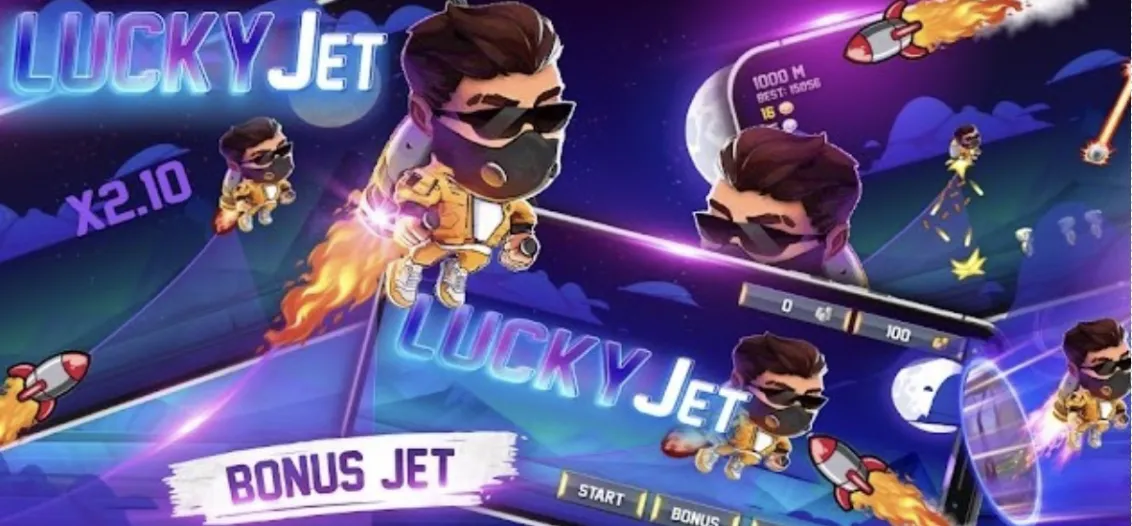
Those first layouts were built to direct your gaze. The character had enough personality to be likable, but not too much intricacy that it crowded the screen. Background elements used subdued tones and uncomplicated motifs so the foreground action always drew the eye. This thoughtful arrangement of visuals enabled players to make quick choices without scanning the whole display. It was a approach that respected the game’s pace and the player’s desire for a clear display.
Character Creation: More Than Just a Pilot
The little aviator is the icon of the game. It originated as a simple game piece, but has gained real character. We’ve seen special costumes for holiday events, which adds a fun layer of collectibility. The animation work is higher quality, giving the pilot small idle movements and reaction twitches that hint at a personality. These features create a connection between the player and the pixelated figure on the screen.
This work on the character does beyond just just look good. A compelling protagonist gives you someone to support. When the pilot takes off, that sensation of risk and reward has a face. Every part of the design, from the focused look to the shape of the jetpack, sells the ideas of speed and cheerful adventure. Transitioning from a simple game token to a memorable mascot is a big part of what ensures the visuals stick with you.
The Flow of Development: Important Visual Improvements
The game’s art has grown richer over time. The enhancements I’ve noticed signify a clear leap in quality and mood. The jet character’s animations are more detailed and fluid now, adding a feeling of genuine mass and motion to its ascent. The multiplier path was also improved, with particle effects and smoother graphics that make the rising numbers feel solid and full of energy. These improvements draw you more into the gameplay’s pace.
The scenery has been completely reworked. What used to be basic still pictures now resemble real locations. You’ll notice small touches now, such as clouds drifting gently, layers shifting as you scroll, and lighting altering to indicate various periods of the day. This environmental detail doesn’t get in the way of the game. On the contrary, it surrounds the central activity in a realm that seems more like a location than a graphic. It reveals a group devoted to perfecting every element on the screen.
Hue Psychology and Aerial Dimension
Reflect on the game’s palette. Little here is arbitrary. The designers employ color science with a gentle approach. The primary interface features blue and purple tones, hues we connect with calmness and stability. This establishes a calm visual foundation. The serene backdrop makes the bright orange and yellow hues of the aircraft and its multiplier trail jump off the screen, attracting your gaze right to the center of the action.
Creating a Realistic Environment
This smart color strategy also creates a feeling of space. By painting background areas in cool and soft tones and reserving warm vibrant colors for interactive areas, the game creates a realistic depth perception. This layered approach isn’t merely decorative. It enables your brain immediately separate the gameplay from the scenery, letting you interpret the action faster and sell the impression of soaring through the sky.
Motion: The Soul of the Game
View the art as the body. The animation is the soul. This is where Lucky Jet’s visual style comes to life. The seamless, increasing speed of the pilot is essential; a stutter would ruin the experience. Yet the true ingenuity is in the finer details. The multiplier glinting, the slight screen jolt when you collect, the small burst after a good round. These touches are the on-screen reactions that cause the game appear responsive and full of life.
All moving components serves two jobs: to appeal visually and to convey data. The lengthening track behind the character is a dynamic indicator of your possible win. Numbers that swell and glow enable you to see the stakes without scrutinizing the numbers. This marriage of beauty and purpose in movement transforms a fundamental gameplay element into a engaging display.
Creating a Unified Visual Universe
Stunning elements are wasted without unity, and this is where the game’s art direction excels. From the lobby to the main interface, a consistent visual style holds everything together. The fonts are current, sleek, and accessible, reflecting the game’s friendly but thrilling mood. Each icon have the same smooth, wind-cutting feel, mirroring the curves of the rocket pack. This consistency builds a powerful, reliable brand that gamers identify.
This unified world manifests during special events too. For short-term events, the interface receives a careful redesign. These are well-considered revamps with fresh color schemes and pilot equipment that don’t disrupt the main layout. It stays engaging for veterans and demonstrates a commitment to world-building, transforming a single game into a visual platform that evolves.
Flight’s Tomorrow: Forecasting Visual Trends
Looking at the path so far, the visual future for Lucky Jet is bright. I foresee to see more ways for players to personalize the experience, maybe by personalizing jet trails or pilot outfits. Introducing more advanced lighting, like dynamic shadows or soft rain effects, could create amazing new layers of depth. We might even see bits of story included, with short animated clips or backgrounds that shift as you advance.
The room for subtle 3D effects is huge, providing a stronger sensation of depth and velocity. As screen technology gets better, the art can evolve for sharper resolutions and smoother performance. The trick will be combining these new ideas with the game’s core strength: absolute clarity. The developers have demonstrated they know this balance, which suggests a future where the game maintains its spot as a visual standout.
Following Lucky Jet’s art evolve has been a treat. It illustrates how thoughtful design, rooted in usability and boosted by creative energy, can turn a clever game mechanic into a memorable event. From its clean, simple start to its lively current state, every dot on the screen strives to build excitement and shape a space players want to return to. This progression highlights a key truth: great visuals aren’t just wallpaper. They are a fundamental part of what makes a game engaging and fun.